Numb Hands When Cycling? Causes, Fixes and Padded Gloves That Help
Numb or tingling hands on the bike are almost always caused by pressure on one of the two nerves that run through the palm, made worse by road vibration and by too much weight on the handlebars. The good news: in most cases it is easy to fix. Changing your hand position, adjusting your bike and wearing well-padded gloves solve the problem for the majority of riders. Here are the causes and eight fixes that work.
This article is general information, not medical advice. If numbness lasts long after you stop riding, see the section on when to see a doctor.
Why your hands go numb when cycling
Which fingers are numb? It tells you which nerve
- Little finger and ring finger: pressure on the ulnar nerve, which runs along the outer edge of the palm. This is the most common case in cyclists and is often called "cyclist's palsy" or handlebar palsy.
- Thumb, index and middle finger: pressure on the median nerve, in the centre of the wrist (the carpal tunnel). It is more common when the wrist is bent upward for long periods.
What puts pressure on those nerves
- Too much weight on your hands: bars too low or too far away, saddle tilted nose-down, or a weak core that lets you slump forward.
- Vibration: rough roads, gravel, stiff aluminium bars and high tyre pressure send constant buzz into your palms.
- A "death grip": squeezing the bars tightly for hours.
- Bent wrists: riding with wrists cocked up or down instead of straight.
- Staying in one position: holding the same spot on the bars for an hour without moving.
8 fixes for numb hands
1. Move your hands every 10 to 15 minutes
On a road bike, rotate between the tops, the hoods and the drops. On a flat bar, shift your grip, spread your fingers and shake out each hand on a safe straight. Changing position moves the pressure to a different area before the nerve gets irritated.
2. Relax your grip
Hold the bars firmly enough to control the bike and no more. Keep your elbows slightly bent: they are your natural suspension.
3. Keep your wrists straight
Your forearm, wrist and hand should form a straight line. If your wrists bend, adjust the angle of your brake levers or grips.
4. Level your saddle
A saddle tilted nose-down makes you slide forward, and you push back with your hands all ride long. Set it level and re-test. If the saddle itself is uncomfortable, see how to choose a comfortable saddle for long rides.
5. Check your reach and bar height
If you feel stretched, try a shorter stem or raising the bars with a spacer. A slightly more upright position moves weight from your hands to your saddle and legs.
6. Use thicker grips or bar tape
Ergonomic grips with a wider platform, or double-wrapped bar tape, spread the load over a bigger area of your palm.
7. Lower your tyre pressure slightly
Running a few PSI lower (within the range printed on the tyre) takes the edge off road vibration, especially on rough surfaces.
8. Wear properly padded gloves
This is the quickest fix and works on any bike. Gel pads absorb vibration and spread pressure away from the nerve channels. The details of what makes a glove effective are below.
What makes a padded glove work against numbness
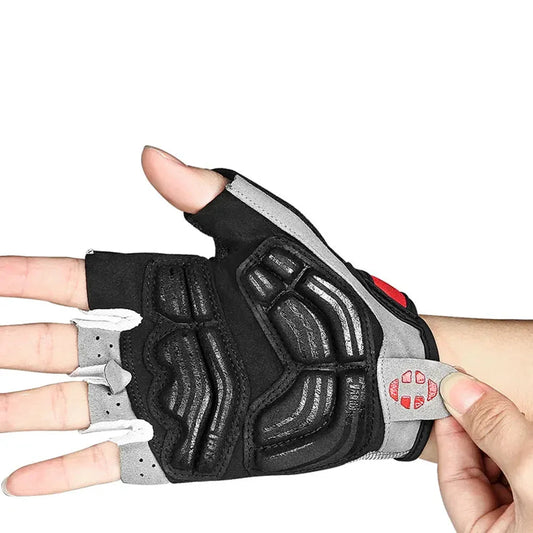
- Pad placement: the best gloves put padding on both sides of the nerve channel (under the heel of the hand and along the outer edge), not one thick pad in the middle that presses right on the nerve.
- Gel rather than thin foam: gel keeps damping vibration on long rides, whereas thin foam flattens quickly.
- Not too thick: very thick pads reduce your feel on the bar and make you grip harder, which defeats the purpose.
- Right size: a glove that is too tight compresses your hand by itself. It should be snug, never constricting.
Choosing between fingerless and full-finger? Read why cyclists wear fingerless gloves.
Our padded gloves for numb hands
- CycloFit™: fingerless, lightweight, with 5D gel padding and a breathable mesh back. Ideal for road riders and long rides in warm weather.
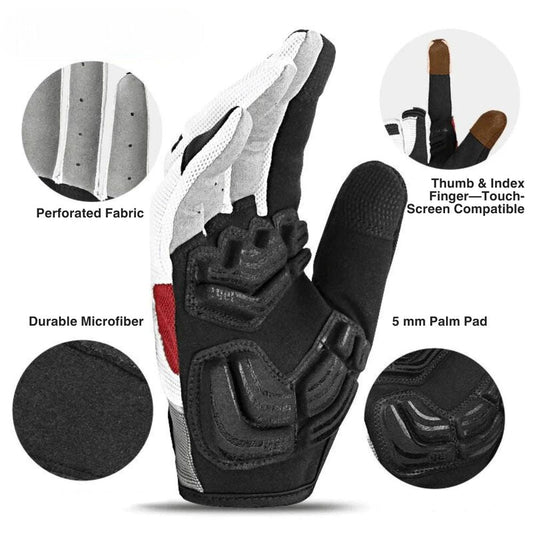
- CycloGrip™: full-finger gloves with gel padding, a non-slip palm and touchscreen fingertips. Great for commuting, gravel and MTB.
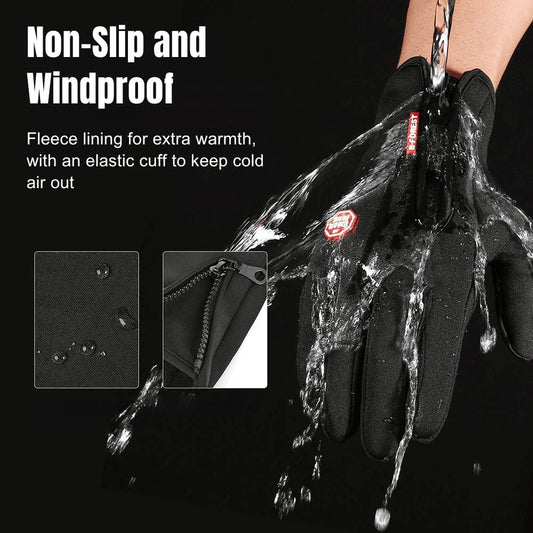
- CycloWint™: insulated and waterproof, for cold rides when stiff, cold hands make numbness worse.
Every pair ships free with a 30-day money-back guarantee. Shop padded cycling gloves.
When to see a doctor
Mild tingling that goes away within minutes of stopping is common and usually fixed by the steps above. Get medical advice if:
- numbness lasts for hours or days after a ride;
- you notice weakness, clumsiness or trouble pinching or gripping;
- you have symptoms at night or when you are not cycling.
Ongoing nerve compression can take weeks to recover if it is ignored, so do not ride through it.
Frequently asked questions
Is it normal for hands to go numb when cycling?
It is common, but it is not something you should accept. It is a sign of pressure on a nerve and can almost always be reduced with position, fit and padding.
Do gel gloves really help?
Yes, for most riders. Gel absorbs vibration and spreads pressure. They work best combined with a good position and regular changes of hand position.
Why do only my little and ring fingers go numb?
That pattern points to the ulnar nerve on the outer edge of the palm. Padding on that edge and avoiding resting on the outside of your hand usually helps.
Can an e-bike or city bike cause numb hands?
Less often, because the position is upright, but stiff grips, a heavy front end and a long commute can still do it. Ergonomic grips and padded gloves help.