How to Prevent Saddle Sores: 9 Fixes That Actually Work
Saddle sores come from three things: pressure, friction and moisture. Remove those three and most riders never get them again. Below are the causes, the warning signs and nine practical fixes, from bike setup to what you wear.
This article is general information, not medical advice. See a doctor if a sore is very painful, hot, spreading, or does not improve within a few days.
What are saddle sores?
"Saddle sore" covers several skin problems where you sit on the bike: chafing and rashes from friction, inflamed hair follicles (folliculitis), and painful lumps or small abscesses when bacteria get into irritated skin. They usually appear on the sit bones, the inner thighs and the crease where the leg meets the groin.
Why they happen
- Pressure: a narrow, hard or badly adjusted saddle concentrates your weight on a small area and restricts blood flow.
- Friction: seams, a pad that moves, or rocking hips rub the same spot thousands of times per ride.
- Moisture and bacteria: sweat softens the skin and lets bacteria in. Staying in damp shorts after the ride makes it worse.
9 ways to prevent saddle sores
1. Wear a quality padded layer
A shaped chamois spreads pressure and gives a smooth surface against the skin. If you do not want Lycra shorts, wear padded cycling underwear under your usual shorts. Look for a gel pad if you ride upright or on a wide saddle.
2. Never wear normal underwear under cycling shorts
Cotton underwear adds seams exactly where you sit and holds sweat. The chamois is designed to be worn against clean skin. (Full explanation: should you wear underwear under cycling shorts?)
3. Get your saddle height right
A saddle that is too high makes your hips rock side to side on every pedal stroke, which is a classic cause of sores. At the bottom of the stroke your knee should keep a slight bend. Too low, and you put extra weight on the saddle.
4. Choose a saddle that fits your sit bones
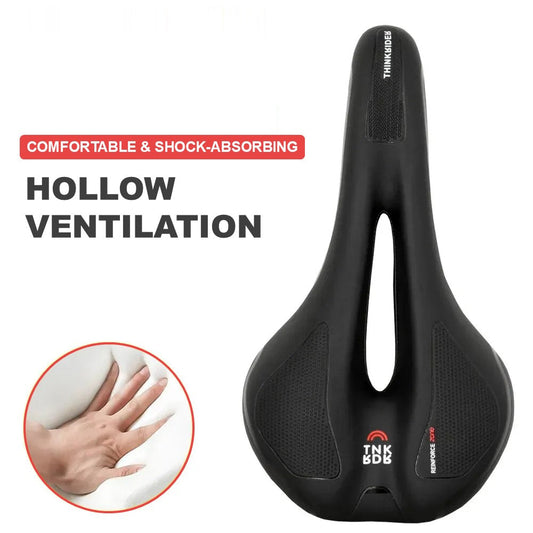
Your sit bones should rest on the wide back part of the saddle. If you ride upright, you need a wider saddle; if you lean forward on a road bike, a narrower one with a central cut-out. Our guide to comfortable saddles for long rides explains how to choose.
5. Level the saddle
A nose pointing up presses on soft tissue; a nose pointing down makes you slide forward and push back with your hands. Start level and adjust in small steps.
6. Use chamois cream on longer rides
A thin layer of chamois cream on the skin (or on the pad) reduces friction. It is most useful on rides over two hours and in hot weather.
7. Change out of your shorts straight after riding
Shower if you can, or at least change into clean, dry clothes. Do not sit in a sweaty chamois at the café or in the car.
8. Wash your kit after every ride
A used pad is full of bacteria. Wash cold, inside out, without fabric softener, and let it dry fully. Having two or three padded pairs in rotation makes this easy.
9. Build up your distance gradually
Skin toughens with regular riding. Jumping from short rides to a long weekend ride is when most riders get their first sore. Add time in the saddle progressively and stand up on the pedals for a few seconds every 10 to 15 minutes to restore blood flow.
What to do if you already have a saddle sore
- Take a break from riding for a day or two, or ride shorter and stand more often.
- Keep the area clean and dry; wear loose clothing off the bike.
- Do not squeeze lumps.
- Find the cause before you ride again: saddle height, saddle width, pad, hygiene.
- See a doctor if it gets worse, becomes very painful or you develop a fever.
The comfort kit that stops most saddle sores
- Padded cycling underwear with 5D gel: wear it under any shorts. Buy 2, get 1 free so you always have a clean pair.
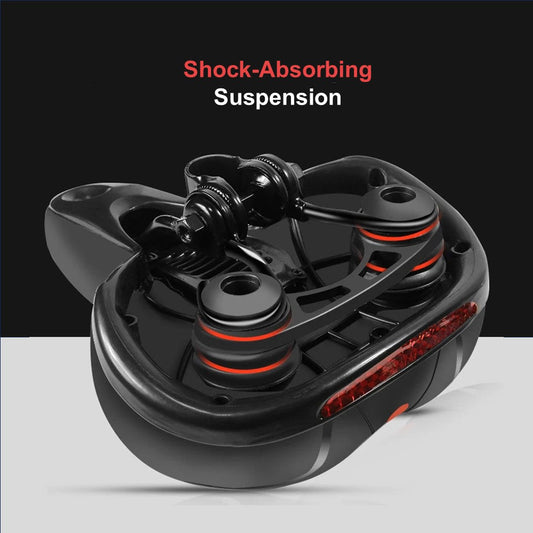
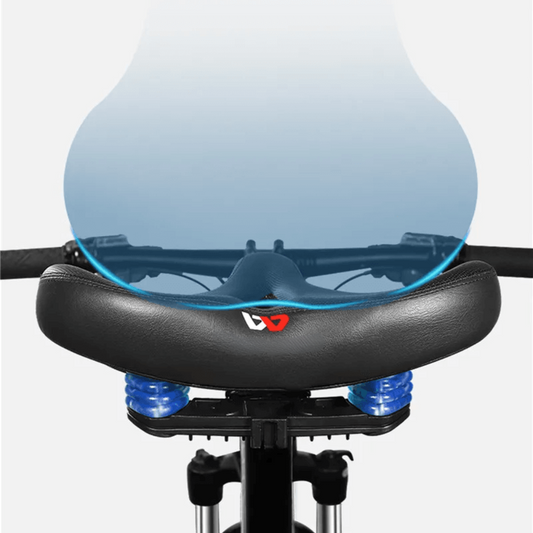
- Comfort saddles: wider, gel-padded saddles with a pressure-relief channel for upright riding.
Free shipping and a 30-day money-back guarantee on every order.
FAQ
How long do saddle sores take to heal?
Mild chafing usually settles within a few days off the bike. Infected or deep sores take longer and should be checked by a doctor.
Does a softer saddle prevent saddle sores?
Not always. A very soft saddle lets you sink in, which can increase pressure on soft tissue. The right width and shape matter more than softness. Pair a well-fitting saddle with a padded chamois.
Can women get saddle sores?
Yes, and the pressure points are different. Women benefit from saddles and pads designed for female anatomy, such as our women's GelCush™ padded underwear.