Why Do Cyclists Wear Fingerless Gloves? 7 Real Reasons
Cyclists wear fingerless gloves because they protect and cushion the palm, the part of the hand that takes the load and hits the ground first in a fall, while leaving the fingertips free to brake, shift and grab a bottle. They also improve grip when your hands sweat and keep your hands cooler than full-finger gloves. Here are the seven real reasons, and when a full-finger glove is the better choice.
7 reasons cyclists wear fingerless gloves
1. Padding against numb hands
On a road bike, a big part of your weight rests on your hands. Hours of pressure and road vibration squeeze the nerves that run through the palm, which causes tingling and numb fingers. Gel pads placed under the heel of the hand spread that pressure and absorb buzz from the road. If numbness is your main problem, read numb hands when cycling: causes and fixes.
2. Grip when your hands sweat
Sweaty palms slide on bar tape and grips, especially when you sprint, climb out of the saddle or brake hard. A synthetic palm with anti-slip zones keeps your grip consistent from the first kilometre to the last.
3. Protection in a crash
When people fall, they put their hands out. Without gloves, the palm takes the full slide on the asphalt. A glove palm sacrifices itself instead of your skin, which also means you can still use your hands the next day.
4. Free fingertips for control
Road cycling needs fine control: feathering the brakes, indexing gears, opening a gel, unlocking a phone. Bare fingertips give you that feel. This is the main reason road riders choose fingerless over full-finger gloves in warm weather.
5. They keep your hands cooler
Less fabric means more airflow. A mesh back and open fingers let heat escape, so your hands do not overheat and swell on a hot day.
6. A built-in sweat wipe
Many cycling gloves have a soft terry or microfibre panel on the thumb. It is there to wipe sweat from your face and eyes without letting go of the bars.
7. No blisters on long rides
Hours of small movements on the bar create friction on the same spots. A smooth palm layer stops hot spots and blisters, which matters on long sportives and multi-day tours.
Fingerless or full-finger: which should you choose?
| Fingerless | Full-finger | |
|---|---|---|
| Best for | Road cycling, summer, commuting in warm weather | Mountain biking, gravel, cool mornings, autumn |
| Airflow | Maximum | Good with a mesh back |
| Feel on brakes and shifters | Direct | Slightly reduced |
| Crash protection | Palm only | Palm and fingers |
| Phone use | Easy | Needs touchscreen fingertips |
Mountain bikers usually prefer full-finger gloves because branches, rocks and falls on rough ground can hurt the fingers too. Road riders go fingerless from spring to autumn, then switch to full-finger or winter gloves when the temperature drops below about 12 °C.
How to choose a good pair of fingerless gloves
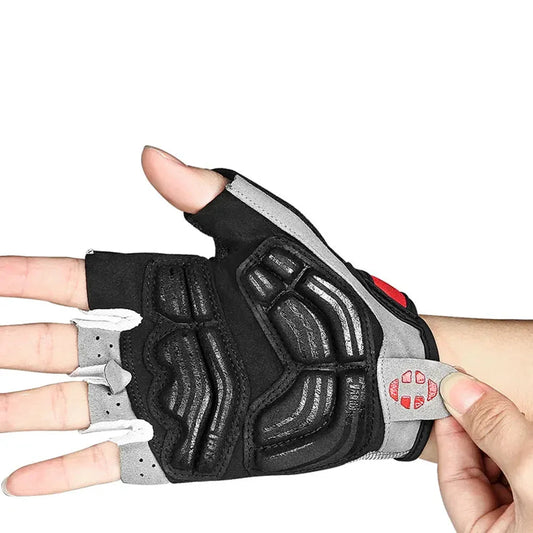
- Padding where you press: pads should sit under the heel of the hand and along the outer edge of the palm, not right in the centre where the nerve runs.
- Snug fit: the glove should be tight without restricting blood flow. Loose gloves wrinkle and cause blisters.
- Breathable back: mesh or light Lycra keeps hands cool.
- Easy removal: small pull tabs between the fingers let you peel them off without turning them inside out.
- Secure closure: a Velcro wrist strap lets you fine-tune the fit.
Summer riding is a category of its own: see our guide to the best breathable summer cycling gloves.
Our gloves
- CycloFit™: our fingerless glove. Lightweight with 5D gel padding, a breathable mesh back and an anti-slip palm. Built for road cycling and long rides.
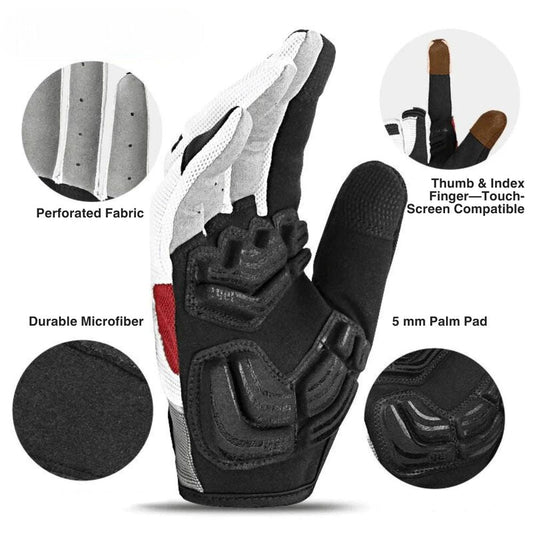
- CycloGrip™: the full-finger option, with gel padding, a non-slip grip and touchscreen fingertips. For MTB, gravel and cooler days.
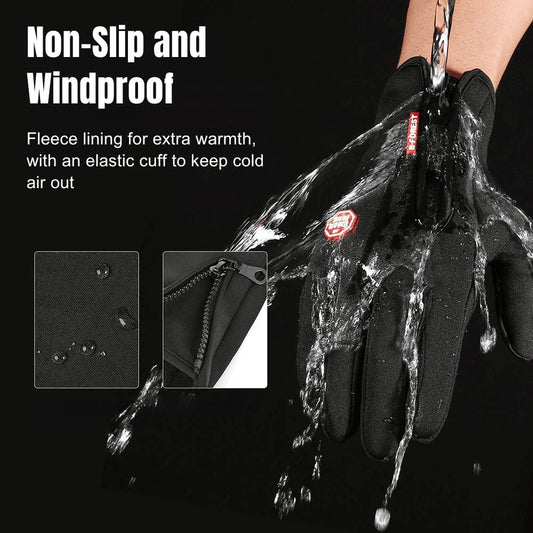
- CycloWint™: insulated, waterproof winter gloves with touchscreen access for cold, wet rides.
Free shipping and a 30-day money-back guarantee on every pair. Shop cycling gloves.
Frequently asked questions
Why are cycling gloves fingerless?
Because the palm is the area that needs padding and protection, while the fingers need feel and airflow. Cutting the fingers keeps the benefits and removes the heat and loss of dexterity.
Do professional cyclists wear gloves?
Most do in races, especially on rough roads and in hot weather, mainly for grip and crash protection. Some riders skip them on short, smooth stages, but on cobbles and long days gloves are the norm.
Should cycling gloves be tight?
Yes, snug like a second skin, with no loose material in the palm. If your fingers tingle when you are not riding, they are too small.
Do fingerless gloves stop numb hands?
They help by spreading pressure and absorbing vibration, but bike fit matters just as much: saddle tilt, reach and changing hand position regularly.
How often should I wash my cycling gloves?
Every few rides. Close the Velcro, wash them cold in a mesh bag or by hand, and let them air dry away from direct heat so the gel and the palm stay intact.